Act 3 Scene 1
Romeo says these lines in Act 1 when he sees the aftermath of the fight between the Montagues and the Capulets. Shakespeare keeps Romeo away from the first brawl as he is pining for Rosaline. Romeo uses a range of oxymorons to describe his feelings about living in Verona.

Both families believe that they are fighting for the love of their family and honour, but they must hate and destroy another family to uphold these values and beliefs. Tybalt claims, ‘I hate peace all Montagues and thee.’ Shakespeare reveals a character who thrives on conflict he will not obey the Prince’s orders, ‘If ever you disturb our streets again ,/Your lives shall pay the forfeit of the peace./’

Act 3 scene 1 follows the marriage of Romeo and Juliet for the audience this should the happy ever after for the young lovers. Shakespeare raises the tension with another civil brawl ‘where civil hands make civil hands unclean’. The scene begins with Mercutio and Benvolio contrasting characters. Benvolio has been presented as the peacemaker when contrasted with Tybalt and Mercutio.

Benvolio states, ‘The day is hot, the Capulets are abroad, And if we meet we shall not scape a brawl …’ There is a sense of urgency in his listing of reasons why they should be inside. Benvolio’s the voice of reason he is fully aware of the consequences of being involved in another brawl. There is a sense of foreshadowing, and the inevitability of conflict has been established in the Prologue.

In contrast to Benvolio, Mercutio is restless, annoyed, and irritated by the heat. Mercutio accuses Benvolio of being ‘as hot a jack in thy mood as any in Italy…’ Mercutio’s comments are ironic as he clearly describes his own character. The horseplay between the characters lightens the mood of the play, but the main ideas are about ‘quarrelling’ and conflict.

The mood quickly changes with the appearance of Tybalt (stung by Romeo’s disrespectful act of attending the Capulet Ball and his humiliation when he is scolded by his uncle for attempting to start a fray during the ball). He doesn’t want conflict with just any Montague he has found one Montague to focus all his anger, venom, and hatred. ‘Mercutio, thou consortest with Romeo. -‘ The audience would see this as a simple question: Are you a friend/associate of Romeo’s. However, the word consortest can have sexual connotations; Mercutio responds angrily responds with an exclamatory response, ‘Consort!’ Mercutio escalates the violence by deliberately misunderstanding Tybalt’s words and feigning outrage.
Shakespeare uses Benvolio again to remind the characters on stage and the audience that open conflict will result in death. He says,
‘We talk here in the public haunt of men. Either withdraw unto some private place, Or reason coldly of your grievances, Or else depart.’
Benvolio’s attempts to prevent the conflict were futile, especially when Tybalt zooms in on his target.
Shakespeare effectively uses dramatic irony because the audience knows that Romeo and Juliet are married, but none of the characters on stage are aware. The juxtaposition of Tybalt’s words,

‘Romeo, the hate I bear thee can afford. No better term than this: thou art a villain.’
In contrast, Romeo responds:
‘Tybalt, the reason that I have to love thee Doth much excuse the appertaining rage To such a greeting.’
Unfortunately, for Romeo, men are not allowed to walk away from conflict. The tension between politeness and abuse is unbearable to Mercutio he sees Romeo’s behaviour as ‘calm, dishonourable, vile submission!” This triadic structure shows his anger and frustration with what he believes is Romeo’s weakness and acceptance of Tybalt’s unreasonable behaviour. Mercutio draws his sword for the second time, but this move proves to be fatal as he is stabbed by Tybalt under Romeo’s arm.
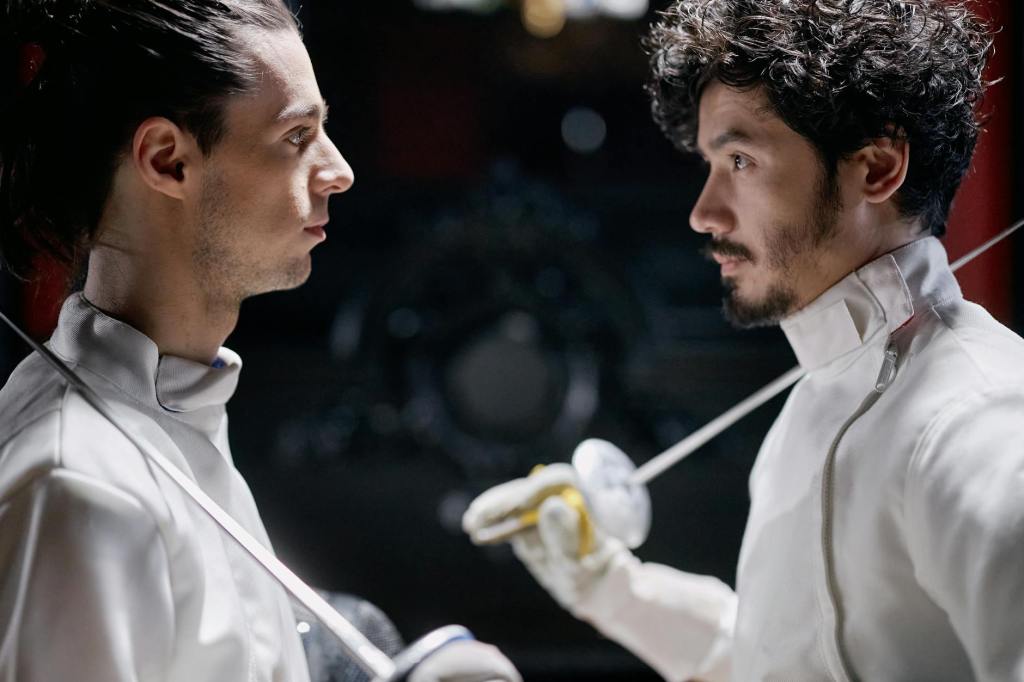
Mercutio finally realises that he has sacrificed his life for a futile cause, ‘A plague o’ both your houses!’ The Prologue has already established that the feud pervades all aspects of society. Mercutio attempts to maintain his comedic act by understating the seriousness of his injuries, ‘ask for me tomorrow, and you will find me a grave man.’
The conflict between love and hate is expressed through the rhyming couple, ‘O sweet Juliet, thy beauty hath made me effeminate’. Romeo now has a dilemma. Does he allow Tybalt to leave triumphant and boastful about the murder of his dear friend, or does he stay true and loyal to his young bride?

The news of Mercutio’s death drives Romeo to seek immediate revenge words of love and peace replaced with, ‘fire-eyed fury be my conduct now.’ The fricative alliteration sounds harsh, cold, and bitter. Romeo brings the fight to Tybalt, he says: Mercutio’s soul…..Staying for thine to keep him company. Immediately after murdering Tybalt, the full consequences of his actions fall upon him when he says, ‘I am fortune’s fool!’ He blames his actions on fate rather than taking responsibility for his own actions. The Prologue shows that Romeo and Juliet can’t escape their fate.
 McKen's Masterclass Resources