
John Reed
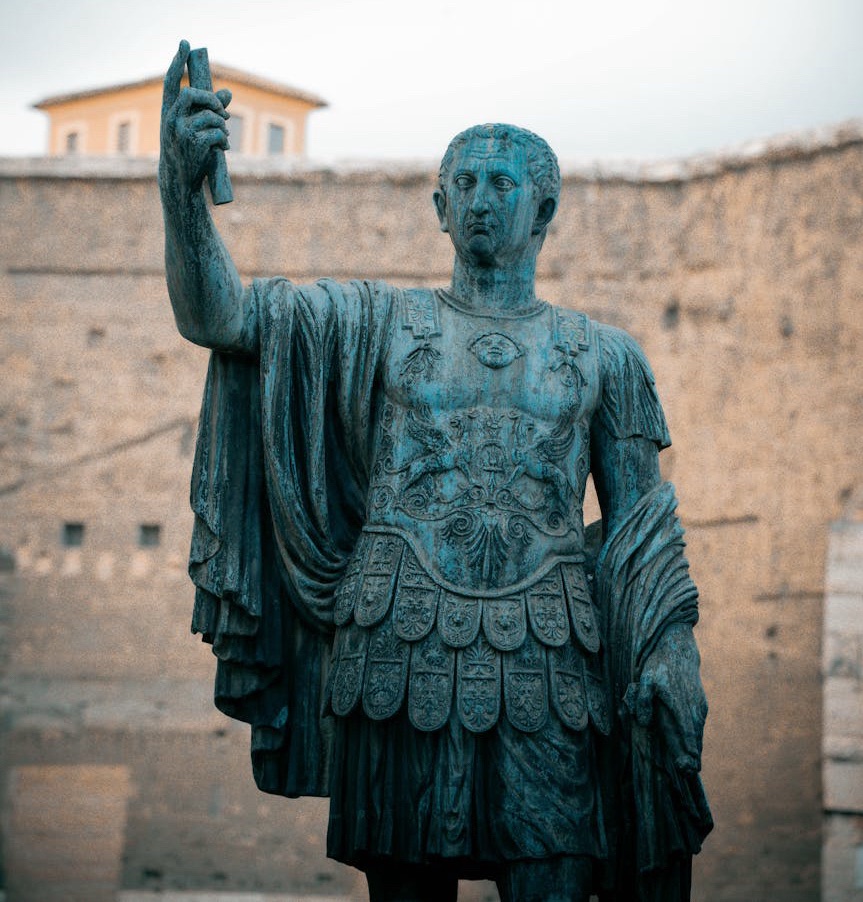
“Wicked and cruel boy! …You are like a murderer – you are like a slave – driver – you are like the Roman emperors!”
For every child who has been bullied he is a perfect example of someone who abuses their power and position. Jane through no fault of her own has been imposed upon the Reed family, she is made aware constantly that she is inferior, unwanted and a burden.
The physical abuse
He throws a book at Jane with such force he draws blood. However the passive Jane shows her ability to fight back. She tells John he is a ‘slave driver’ ruthless, brutal and dangerous. He like every bully operates with the understanding that the victim is too powerless and broken to respond. The injustice of John’s behaviour provokes a survival instinct in Jane’s character which breaks the reader’s expectations. John as the eldest son is spoilt and overindulged by his mother emphasising the patriarchal context of the lesson. Jane’s character challenges that patriarchy as she responds to both verbally and physically to the abuse.
Mrs Reed
Can the reader have any sympathy for Mrs Reed’s character? She is a widower trying to bring up three children in world that is harsh on single women. Yet her behaviour towards Jane is harsh and lacking in any empathy towards an orphan child left in her care.

“Jane, I don’t like cavilliers or questioners: besides there is something truly forbidding in a child taking up her elders in that manner. Be seated somewhere and until you can speak silent.”
Again Jane Eyre shows that she is unwilling to accept her position as worthless and a liar. She breaks a Victorian taboo by addressing an adult as her equal. “I am deceitful: if I were, I should say I loved you; I dislike you the worst except John Reed …”
Jane must go to school
The introduction of Mr Brocklehurst shows that Jane is not going to get the fresh start she dreamed of. Mrs Reed shows her vindictive nature by making sure she stresses Jane’s vices are revealed whilst she was present knowing Jane is in no position to challenge her. He gives her a pamphlet for liars and questions her about going to Hell. ‘How can you avoid Hell? he asks. Jane’s reply, ‘don’t get sick and die’.
Mrs Reed chose the school with the most punitive regime for orphan girls – constantly reminded of their inferior position in society. She also states that Jane must stay at Lowood School during the holidays a further reminder of her isolation and abandonment.
This girl is -a liar!
Mr Brocklehurst’s visit to Lowood brings Jane further unwanted, humiliating attention. He uses negative language to describe her character castaway, interloper, alien. The isolation Jane has felt throughout her time at Gateshead is reflected in his language ‘guard against her …shun her example …exclude her … shut her out.’ For Jane this whole event was mortifying and her spirit would have been broken had it not been for the kindness of Helen Burns and Miss Temple.
The Red Room
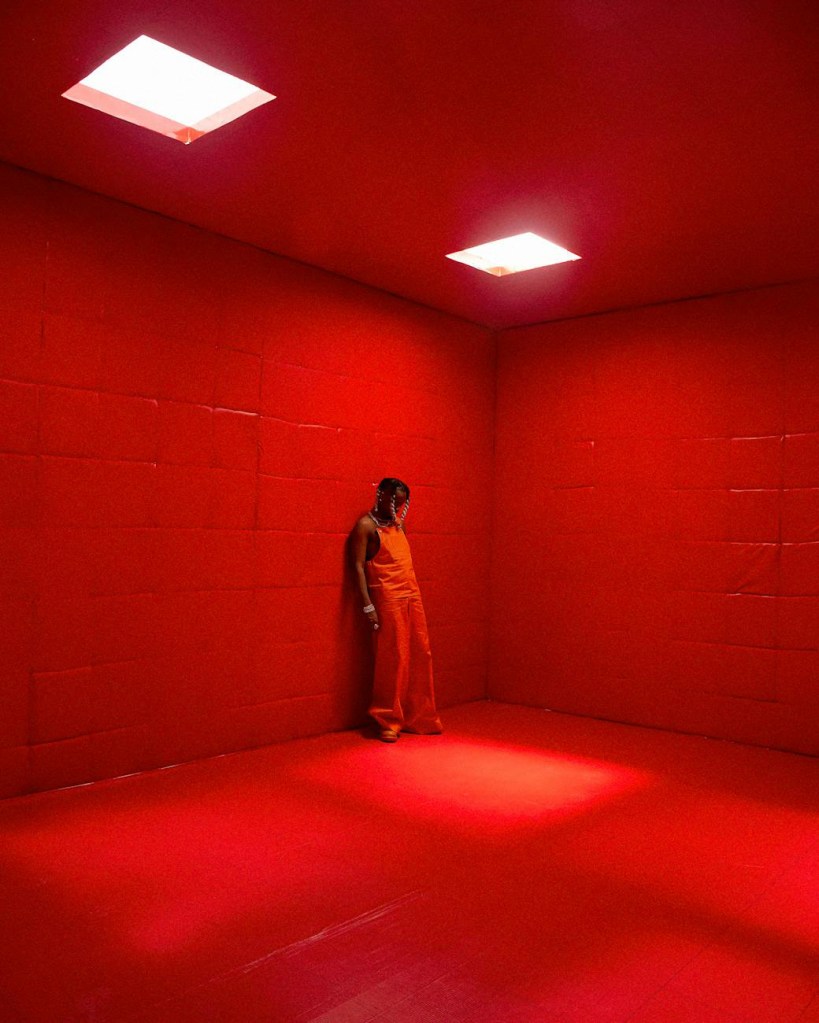
“The room was chill, because it seldom had a fire: it was silent, because remote from the nursery and kitchen; solemn, because it was known to be so seldom entered.”
The reader can empathise with Jane when she is locked in the red room. It is symbolic of the isolation and cruelty she has suffered in the Reed household. When Jane is overwhelmed with fear and she begs to be released from her prison Mrs Reed tells her she is ‘a precocious actress …a compound of virulent passions, mean spirit and dangerous duplicity.’ There is no one to defend her in the household even the servants participate in her cruel treatment threatening to tie her to chair in the room if she continues to resist. She is clearly the victim of John’s bullying with the physical wound on her head.
 McKen's Masterclass Resources